This post contains affiliate links. Please see my disclosure about affiliate links here.
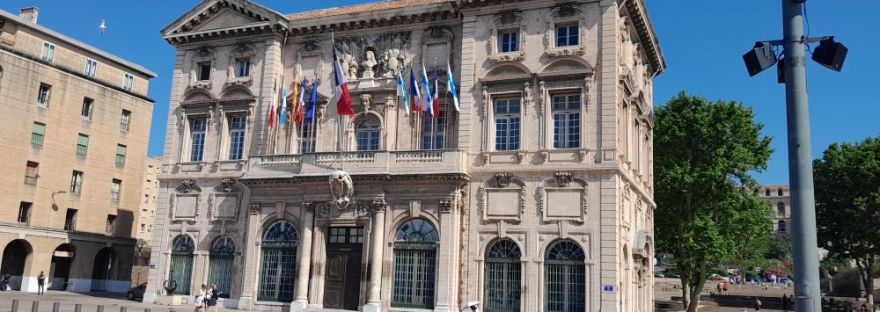
If you’ve researched Marseille, you’ve probably seen warnings about its safety. As France’s second-largest city, Marseille carries a reputation that can make travellers hesitant. But like many port cities, the truth is far more nuanced.
IS MARSEILLE DANGEROUS?
After visiting Marseille city centre, we experienced no safety issues. We felt that it wasn’t as dangerous as its reputation suggests, and actually makes for a convenient overnight stop or day trip, the latter being what we did. That said, it’s also not somewhere you necessarily need to spend days exploring.
MARSEILLE’S REPUTATION VERSUS REALITY
Marseille’s reputation largely stems from its long-standing social and economic issues. But most of these concerns relate to certain places, like any major city, but that doesn’t mean the entire city is unsafe.
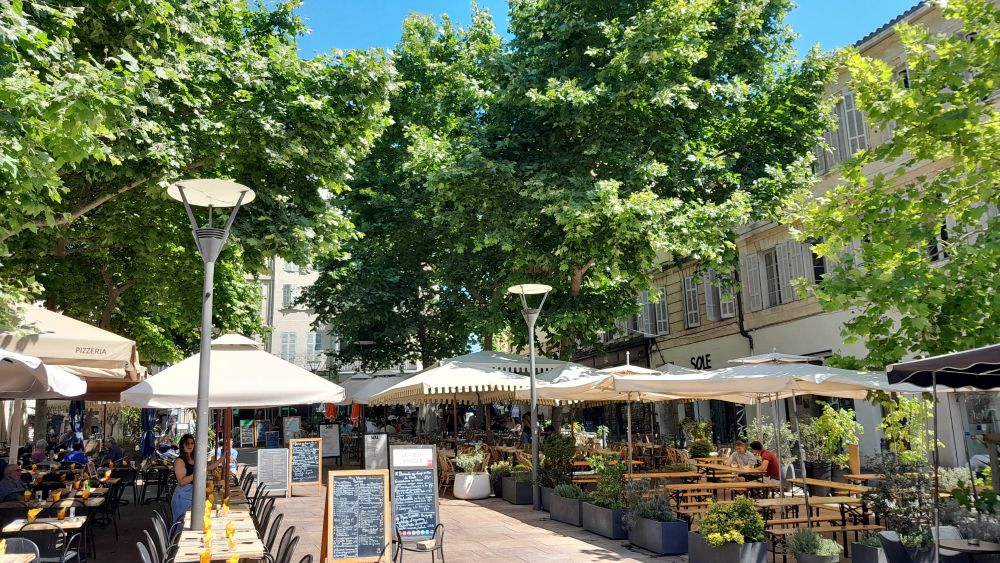
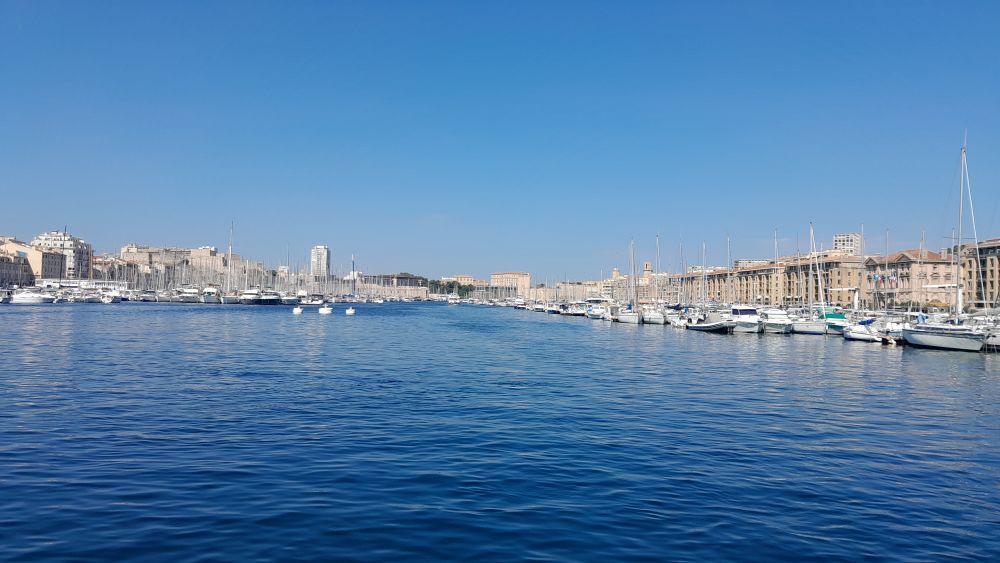
In the Vieux Port area, where tourists generally stay, you’ll find a lively environment filled with restaurants, cafes, and loads of pleasure boats in the marina. Take the usual precautions and you’ll be fine. The Castellane area, where our bus stopped, was equally bustling but safe.
During our visit, the atmosphere felt far more relaxed than expected. Locals went about their business and the energy was vibrant rather than threatening.
IS MARSEILLE WORTH VISITING?
Marseille is a major transport hub, so chances are you will transit through the city when visiting the South of France. So if it’s not dangerous, does Marseille deserve a visit? Yes, if you are curious about France’s second-largest city. But to be honest, there isn’t much to see in the city. And that’s Marseille’s main problem. Yes, there are highlights:
- Vieux-Port (Old Port)
- Fort St. Jean and MuCEM
- Notre-Dame de la Garde Basilica
Outside of the city, Chateaux d’If island and the Calanques National Park are popular spots, with the former featuring in The Count of Monte Cristo book and the latter excellent for outdoor activities. Check out the National Park’s guide to getting there.
CONCLUSION
Marseille isn’t dangerous—it’s just misunderstood. Its reputation doesn’t match the reality. I would happily use it as a transport hub in the future.
FREQUENTLY ASKED QUESTIONS ABOUT MARSEILLE
How many days should I spend in Marseille?
A day trip is fine to see the sites within the city centre mentioned above. Chateaux d’If island will require half a day. If visiting the rest of the Calanques National Park, add on as many days that you require for the park.
What is the best area to stay in?
The Vieux Port would have been our choice, given its centrality to sites and transport connections. Here are some hotel options in that area:
Escale Oceania Marseille Vieux Port
Do you need to speak French to visit?
Yes. We found that by initiating the conversation in French, there was a possibility that the reply would be in English. But don’t count on it. Brush up on la langue.
What are Marseille’s transport hubs?
Marseille Airport is located north west of the city and has a direct bus connection to Gare St. Charles train station in the city centre via the Navette Marseille shuttle bus. Gare Routiere bus station is located beside Gare St. Charles train station. Buses serving destinations east of Marseille are found in Castellane. Marseille has a reasonably-priced metro and tram system for internal city transport. For further transport information, see the Marseille Tourisme website:
What culinary specialties is Marseille famous for?
Bouillabaisse is the fish stew that the city is famous for. Pastis is the aniseed-flavoured alcoholic drink associated with Marseille.

